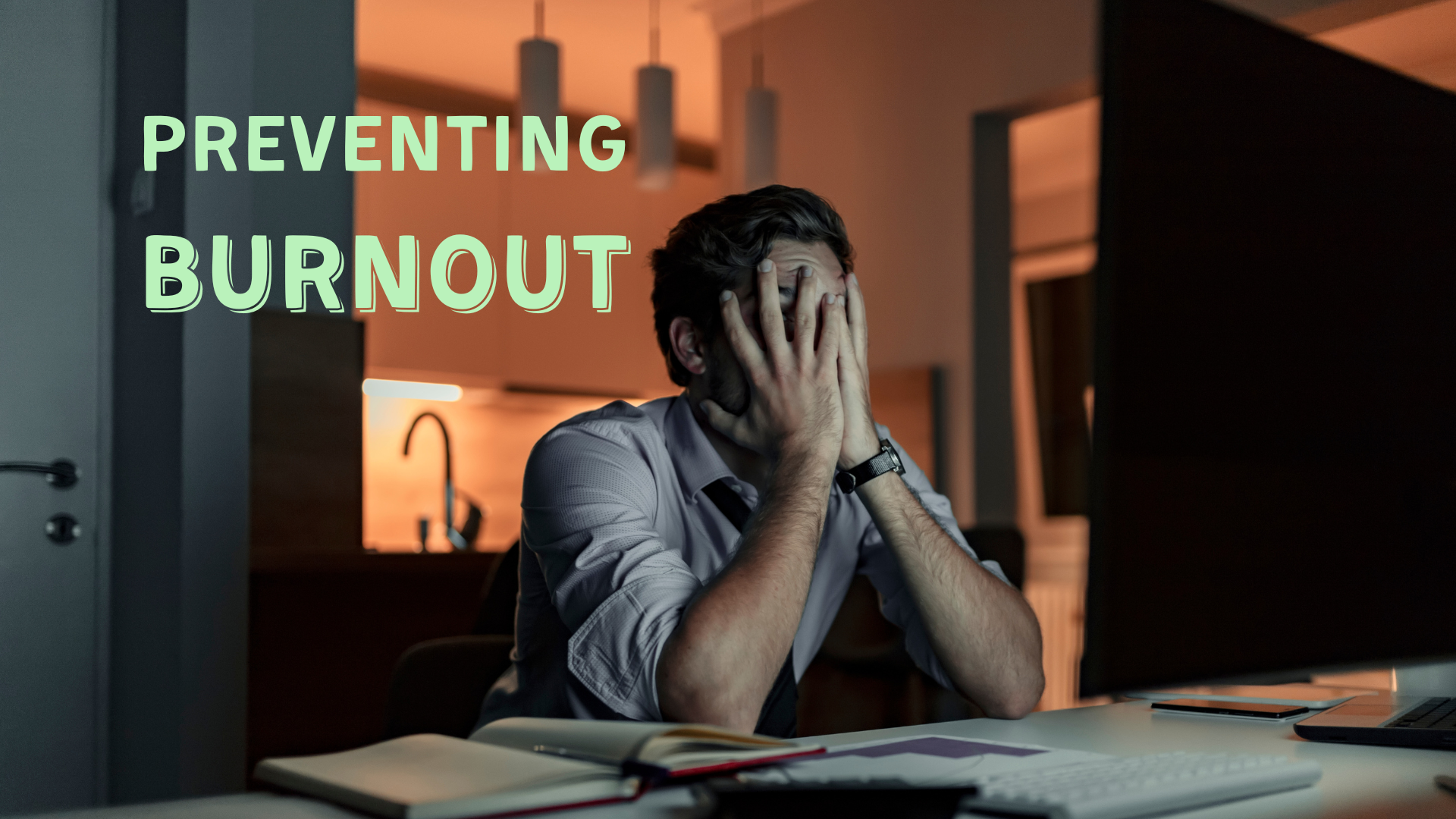
"Professional burnout, also known as occupational burnout,
is a state of physical, emotional, and mental exhaustion,
caused by prolonged and excessive job stress."
What does professional burnout look like?
Burnout can manifest in many ways. To briefly summarise, professional burnout is characterised by the following symptoms:
-
Emotional exhaustion
Feelings of being emotionally overextended and depleted of one's emotional resources. This manifests as a lack of energy, enthusiasm, and a sense of being drained.
-
Depersonalisation and Cynicism
A negative, insensitive, or excessively detached response towards the job. This involves a loss of optimism and an indifferent or cynical attitude, especially towards clients or colleagues.
-
Reduced personal accomplishment
A decline in feelings of competence and productivity at work, often accompanied by a sense of inadequacy about one's achievements and capabilities.
Burnout results from chronic and unresolved job stress, particularly in professions involving intense interactions with people. It expresses as a fundamental disconnect between the nature of the job and the individual performing it.[1]
What contributes to burnout?
Excessive workloads, lack of autonomy, insufficient rewards, unfair treatment, lack of support, and conflicting values.
The effects of burnout can be severe, leading to absenteeism, job dissatisfaction, depression, insomnia, heart disease, and cognitive impairment. It is a significant occupational hazard that can impact both individual well-being and organisational productivity. [2]
What can a Project Manager do to prevent burnout?
-
Prioritise self-care, including caring for both your physical and emotional wellbeing.
- Stress can be beneficial ,as long as it is managed and balanced with rest.
- Remember to delegate tasks you don’t necessarily have to do
-
Set appropriate work boundaries, including giving yourself permission to truly unplug from work for reasonable periods of time. Turn off your work phone when not working.
- Get at least 8 hours sleep every night
- Don’t work through lunch
-
Prioritise social relationships. Healthy relationships with co-workers, friends, and family can help buffer workplace stresses.
-
Don’t stress about things you can’t change or influence. Focus on things you have control over.
-
Ensure you spend time during a day on things that are meaningful to you and is purposeful
-
Invest enough time into the planning phase of your project; don’t rush it. Your plan needs to be evaluated for robustness against the unforeseen.
- Don’t project manage without a governance group
-
Plan for contingencies to protect major milestones; contingency for time and budget
- Tightly manage the project scope. Any change that is approved needs to be accompanied by the appropriate changes in time, budget and contingencies. A risk analysis for the change in scope can support decisions.
- Rest is productive, especially when you are working hard under pressure.
References:
[1] https://www.ncbi.nlm.nih.gov/pmc/articles/PMC4911781/
[2] https://www.apa.org/topics/healthy-workplaces/workplace-burnout
